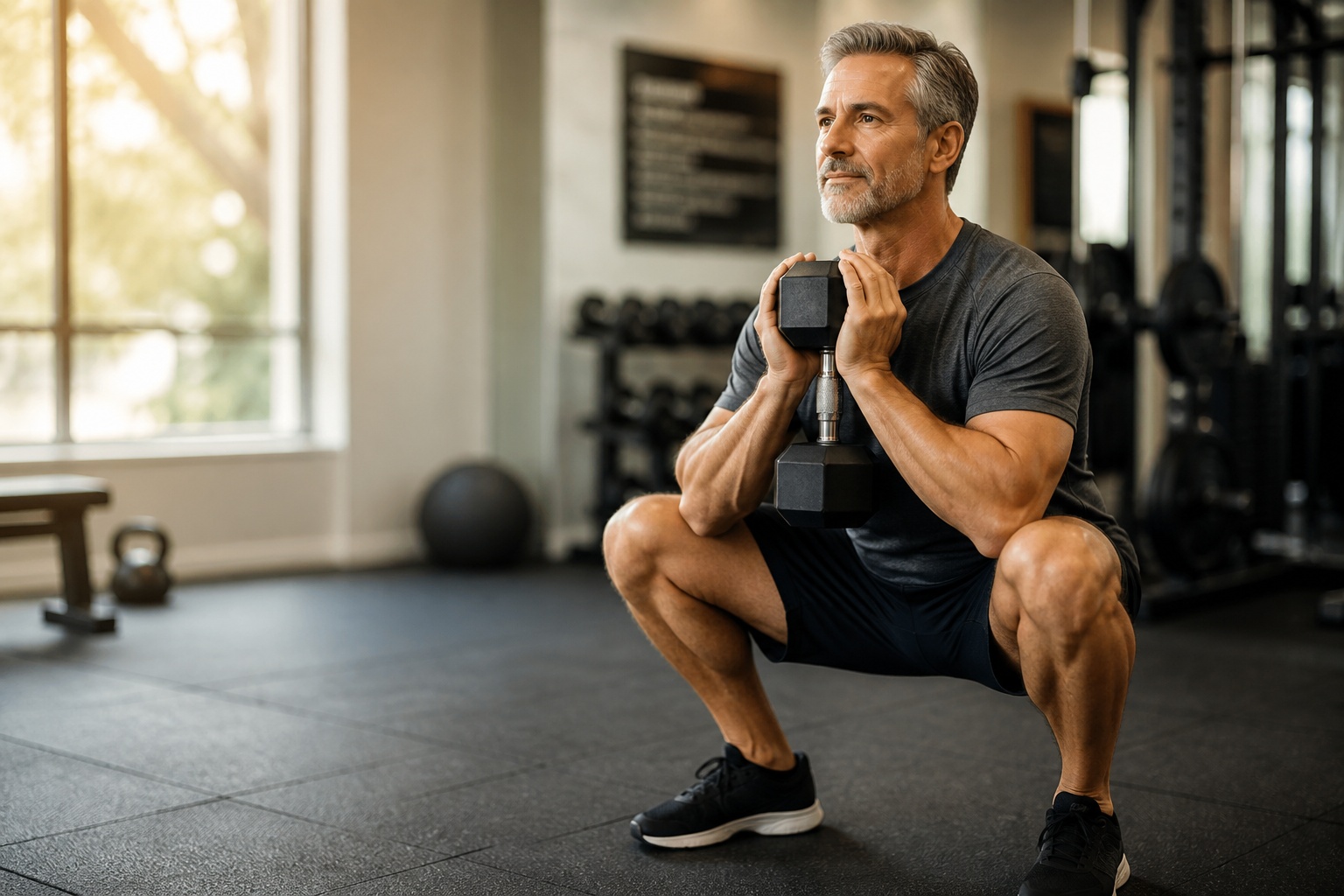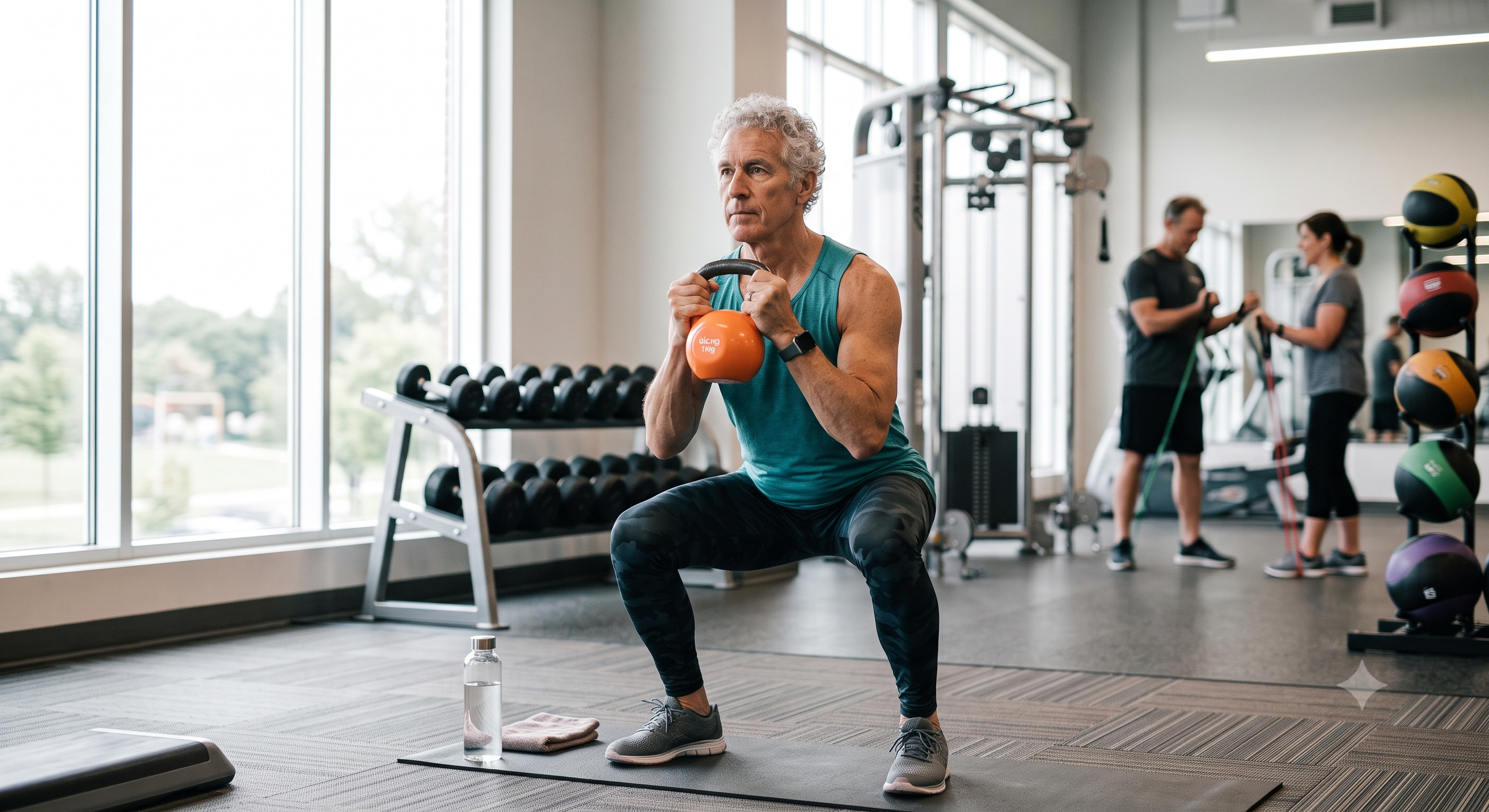
Knee pain shouldn't mean giving up on exercise altogether. In fact, staying active is often one of the best things you can do for achy or sensitive knees, strengthening the muscles that support the joint and improving overall mobility. The key is choosing exercises that build strength and cardiovascular fitness without placing excessive stress on the knee joint itself. Here are 10 low-impact exercises that let you stay active while protecting your knees.
Why Low-Impact Exercise Matters for Knee Health
High-impact activities like running or jumping create repeated, forceful stress on the knees with every stride. Over time, this can aggravate existing joint issues or contribute to wear and tear, especially for people with arthritis, past injuries, or extra body weight putting added pressure on the joints.
Low-impact exercises, on the other hand, keep at least one foot on the ground at all times or eliminate ground impact altogether, significantly reducing joint stress while still delivering real fitness benefits. This makes them ideal for building strength, endurance, and flexibility without setting back your knee health.
1. Swimming
Swimming is often considered the gold standard for low-impact exercise. The water supports your body weight, removing nearly all stress from your joints while still providing an excellent full-body workout. Swimming laps, water walking, or simply treading water all count as effective options.
Why it works for knees: Buoyancy reduces joint load by up to 90%, allowing for a full range of motion without pain or strain.
2. Cycling
Whether outdoors or on a stationary bike, cycling is gentle on the knees while still building significant leg strength and cardiovascular fitness. The smooth, circular pedaling motion avoids the jarring impact associated with walking or running.
Tip: Adjust your seat height properly, your knee should have a slight bend at the bottom of the pedal stroke to avoid unnecessary strain.
3. Elliptical Training
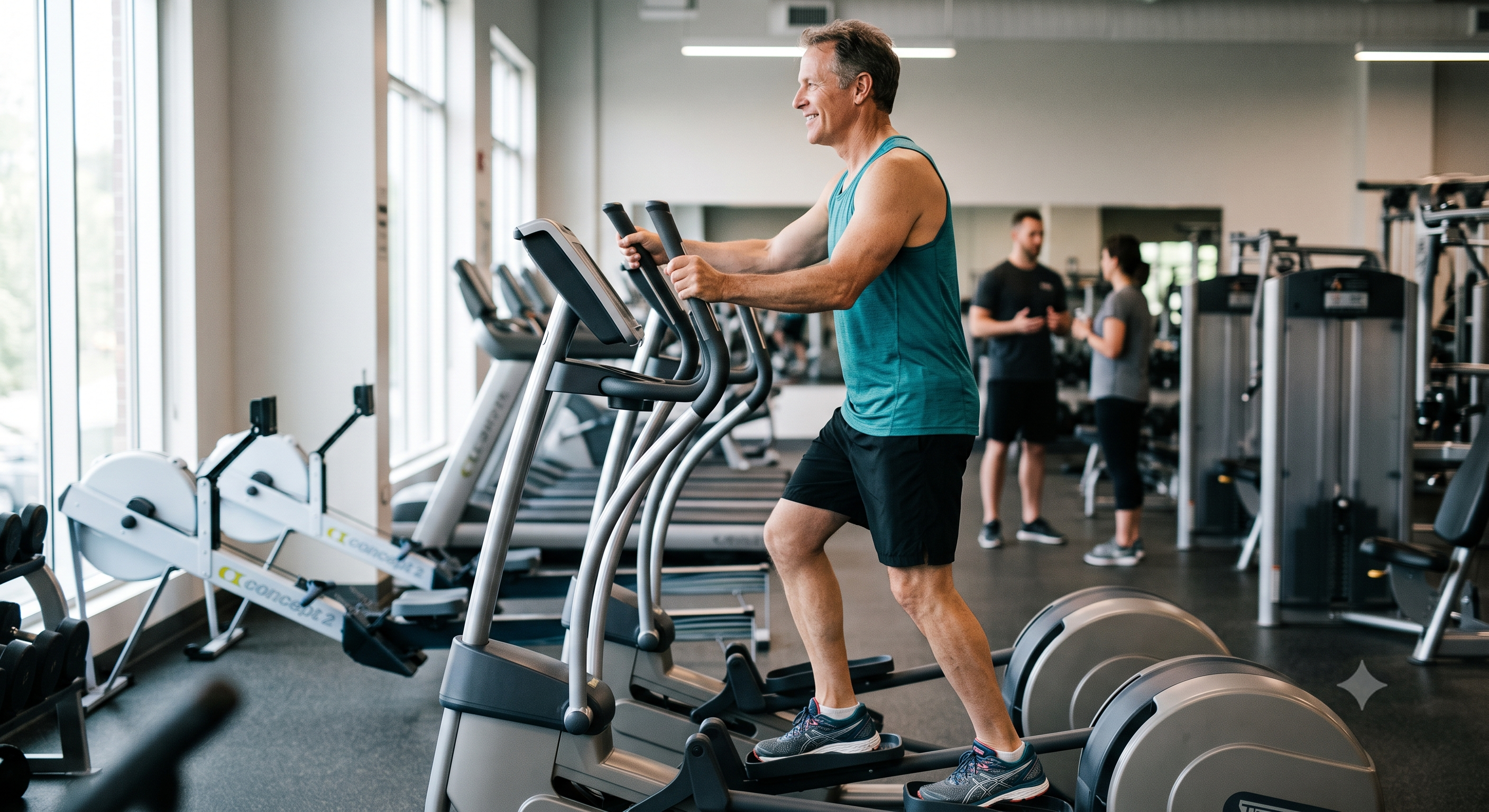
The elliptical machine mimics the motion of running or walking without any actual impact, since your feet never leave the pedals. This makes it a popular gym option for people with knee sensitivity who still want a challenging cardio workout.
Tip: Start with lower resistance and gradually increase as your strength and comfort improve.
4. Water Aerobics
Similar to swimming, water aerobics combines cardiovascular exercise with resistance training, all while the water supports your joints. Classes often include movements like leg lifts, arm exercises, and gentle jogging in place, all significantly easier on the knees than land-based versions.
Why it works for knees: The water's natural resistance builds strength without the impact of gravity-based exercises.
5. Chair Yoga or Gentle Yoga
Yoga improves flexibility, balance, and strength through slow, controlled movements. Chair yoga, in particular, offers support for those with more significant knee concerns, while gentle floor-based yoga can still be modified to avoid deep knee bends or kneeling poses that cause discomfort.
Tip: Avoid poses that require deep squatting or excessive knee flexion if you experience pain during these movements.
6. Walking on Flat, Even Surfaces
While walking does involve some impact, it's significantly gentler than running and generally well-tolerated by most people with mild to moderate knee issues. Sticking to flat, even surfaces, rather than hills or uneven trails, minimizes unnecessary joint stress.
Tip: Wearing supportive, cushioned shoes makes a noticeable difference in reducing knee strain during walks.
7. Resistance Band Leg Exercises
Resistance bands allow you to strengthen the muscles surrounding your knee, particularly the quadriceps and hamstrings, without adding joint-jarring impact. Simple exercises like standing leg lifts, seated leg extensions, and side leg raises with a band can build meaningful strength safely.
Why it works for knees: Strengthening the muscles around the knee helps stabilize the joint and can actually reduce pain over time.
8. Tai Chi
This slow, flowing martial art combines gentle movement with balance and strength training, all performed with control and minimal joint stress. Tai chi is frequently recommended for older adults and those with arthritis due to its gentle nature and proven benefits for both physical and mental well-being.
Why it works for knees: The slow, deliberate movements build strength and stability without any sudden or jarring motions.
9. Seated or Recumbent Strength Training
Many strength exercises can be modified to a seated position, reducing pressure on the knees while still building meaningful muscle strength. Seated leg presses, seated marches, and recumbent bike workouts are all excellent examples.
Tip: Focus on controlled, slow movements rather than fast repetitions to maximize strength benefits while minimizing joint strain.
10. Pilates
Pilates focuses on core strength, flexibility, and controlled movement, most of which can be performed lying down or seated, significantly reducing knee stress compared to standing exercises. Many Pilates exercises also directly strengthen the muscles supporting the knee joint.
Tip: Look for beginner-friendly or modified Pilates routines specifically designed for those with joint sensitivities.
General Tips for Exercising With Knee Pain
Warm up properly. Cold muscles and joints are more prone to strain. Spend five to ten minutes doing gentle movement before starting your main exercise.
Focus on proper form. Poor form, especially during strength exercises, can place unnecessary stress on the knee joint. Consider working with a physical therapist if you're unsure about technique.
Strengthen supporting muscles. Strong quadriceps, hamstrings, and hip muscles all help stabilize and protect the knee joint during movement.
Listen to your body. Mild discomfort during new exercise is normal, but sharp or worsening pain is a sign to stop and reassess.
Maintain a healthy weight. Extra body weight places significant additional stress on the knees during any weight-bearing activity, making weight management an important part of long-term knee health.
When to See a Doctor or Physical Therapist
While these exercises are generally safe for most people with mild knee discomfort, certain signs suggest it's time for professional guidance:
-
Persistent swelling around the knee
-
Sharp or severe pain during movement
-
A feeling of the knee "giving way" or instability
-
Pain that worsens despite modifying your activity level
A physical therapist can help identify the root cause of your knee pain and design a safe, personalized exercise plan tailored to your specific needs.
How Often Should You Do Low-Impact Exercise?
For general knee health and fitness, aim for 150 minutes of low-impact cardio per week, spread across most days, along with two to three strength sessions targeting the muscles around the knee. Consistency, rather than intensity, is what leads to long-term improvement in both knee comfort and overall fitness.
Knee pain doesn't have to mean the end of an active lifestyle. Low-impact exercises like swimming, cycling, and tai chi allow you to build strength, improve cardiovascular fitness, and support long-term joint health, all without the harsh impact that can aggravate sensitive knees. By choosing the right activities and focusing on proper form, you can stay active, protect your joints, and continue moving comfortably for years to come.