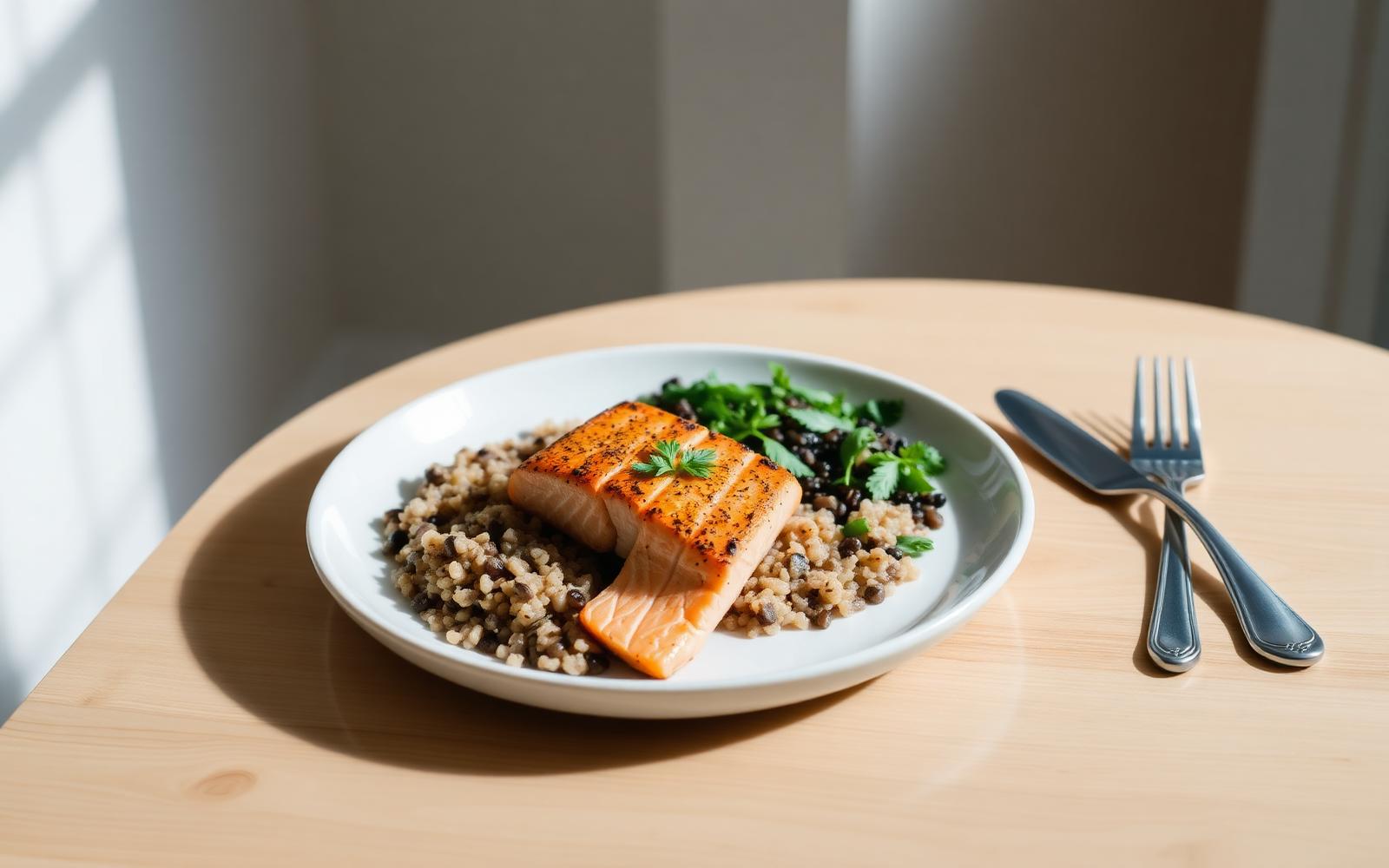
As you age, your body changes in ways that aren''t always obvious from the outside. One of the biggest shifts happens in your muscles. Starting around age 50, most people begin losing muscle mass at a faster rate, a process called sarcopenia. The good news? Protein plays a major role in slowing this down, but only if you''re eating enough of it. Let''s break down exactly how much protein you need after 50 and why it matters more now than ever.
Why Protein Needs Change as You Age
Many people assume protein needs decrease as they get older, but it''s actually the opposite. After 50, your body becomes less efficient at using protein to build and repair muscle. This means you need more protein than you did in your 30s or 40s just to maintain the same amount of muscle.
On top of that, muscle loss naturally speeds up with age. Without enough protein and physical activity, adults can lose 3% to 8% of their muscle mass per decade after age 30, and this rate accelerates significantly after 50. Since muscle plays a role in everything from strength to metabolism to balance, protecting it becomes a health priority, not just a fitness goal.
So, How Much Protein Do You Actually Need?
The general recommendation for adults is about 0.36 grams of protein per pound of body weight. However, research increasingly shows that adults over 50 benefit from higher amounts, often between 0.5 to 0.7 grams per pound of body weight daily.
Here''s what that looks like in practical terms:
- A 150-pound adult would need roughly 75 to 105 grams of protein per day
- A 180-pound adult would need roughly 90 to 126 grams of protein per day
This is noticeably higher than the standard recommendation most people grew up hearing. If you''re active, recovering from an illness, or trying to preserve muscle while losing weight, you may need to aim for the higher end of that range.
Why Older Adults Need More Protein Than Younger Adults
There are a few key reasons your body demands more protein as you age:
- Anabolic resistance: As you get older, your muscles become less responsive to protein, meaning it takes more protein to trigger the same muscle-building response you''d get in your younger years.
- Slower muscle recovery: Muscles take longer to repair themselves after activity or minor injuries, so more protein is needed to support that recovery process.
- Increased risk of muscle loss: Combined with reduced activity levels that often come with age, insufficient protein accelerates the natural muscle loss that happens over time.
- Bone health support: Protein isn''t just for muscles. It also plays a supporting role in maintaining bone density, which becomes increasingly important as osteoporosis risk rises with age.
Signs You Might Not Be Getting Enough Protein
Protein deficiency isn''t always obvious, but there are some common signs to watch for:
- Feeling weaker than usual, especially when climbing stairs or carrying groceries
- Slower recovery from minor injuries or illnesses
- Noticeable loss of muscle tone or softness in areas that used to feel firmer
- Increased fatigue throughout the day
- Hair thinning or brittle nails
- Frequent hunger, even after eating meals
If several of these sound familiar, it may be worth taking a closer look at your daily protein intake.
Best Protein Sources for Adults Over 50
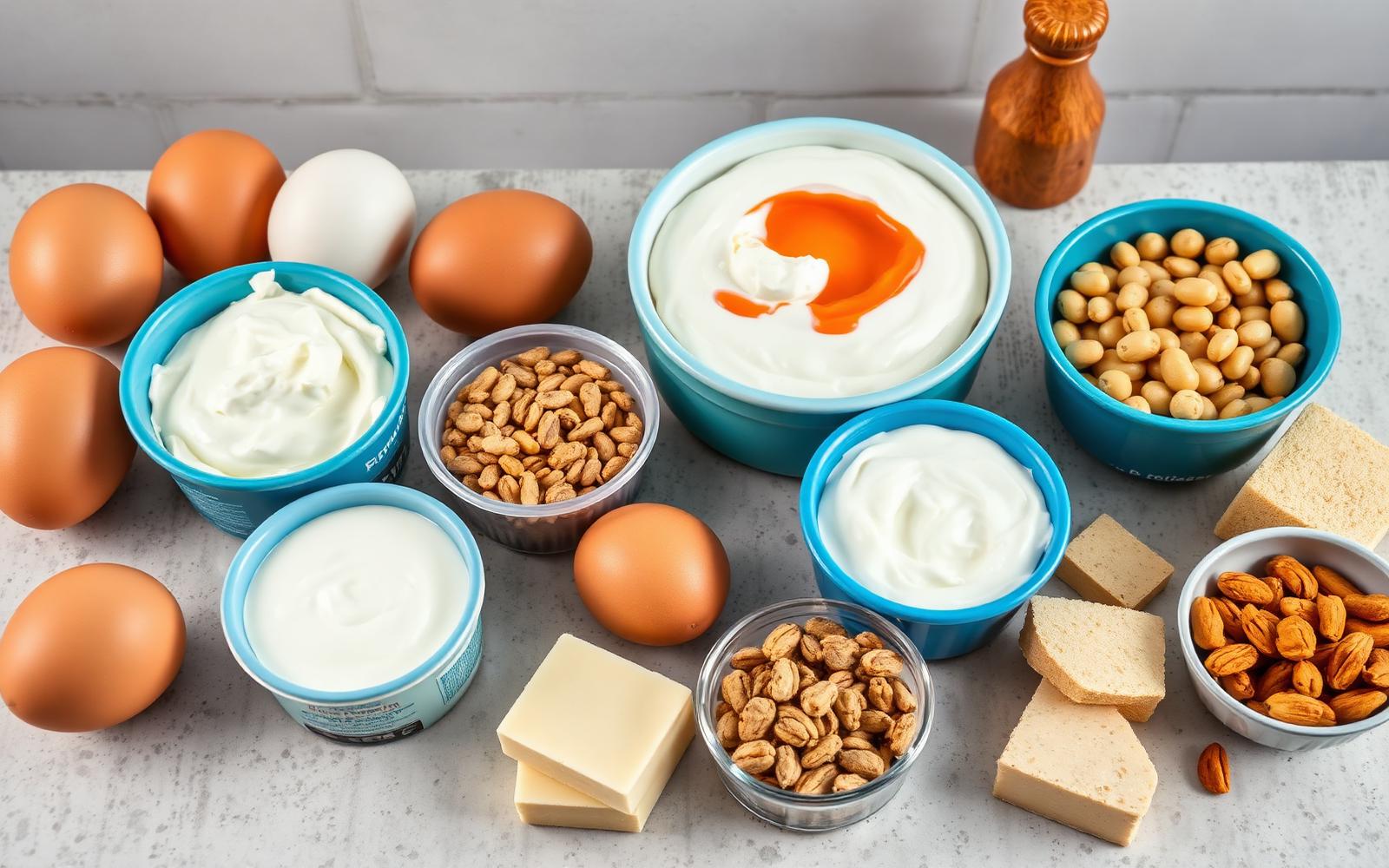
Getting enough protein doesn''t mean loading up on protein shakes all day. Whole food sources are often easier to digest and come packed with additional nutrients your body needs.
Animal-Based Sources
- Eggs
- Chicken and turkey
- Fish, especially salmon and tuna
- Greek yogurt and cottage cheese
- Lean beef
Plant-Based Sources
- Lentils and beans
- Tofu and tempeh
- Quinoa
- Nuts and nut butters
- Edamame
A helpful strategy is spreading protein intake evenly across all meals, rather than eating most of it at dinner. Studies suggest this approach helps the body use protein more efficiently for muscle maintenance throughout the day.
Does Protein Type Matter?
Yes, to some extent. Animal proteins are considered complete proteins because they contain all nine essential amino acids your body needs. Many plant proteins are missing one or more of these amino acids, though combining different plant sources, like rice and beans, can provide a complete amino acid profile.
For older adults specifically, leucine, an amino acid found in higher amounts in animal proteins like meat, eggs, and dairy, plays a particularly important role in triggering muscle protein synthesis. This doesn''t mean plant-based eaters can''t maintain muscle, it simply means paying closer attention to variety and combining protein sources throughout the day.

Protein and Exercise: A Powerful Combination
Protein alone won''t preserve muscle if you''re not physically active. Resistance training, even light strength exercises using bodyweight or resistance bands, signals your body to actually use that protein for muscle repair and growth. Without this stimulus, extra protein is less effective at preventing muscle loss.
Combining two to three strength training sessions per week with adequate protein intake is one of the most effective ways to preserve muscle mass, strength, and mobility as you age.
Common Myths About Protein and Aging
Myth: Too much protein damages your kidneys. For healthy adults without existing kidney disease, there''s no strong evidence that higher protein intake causes kidney damage. This myth largely stems from studies on people who already had kidney conditions.
Myth: You can''t build muscle after 50. This simply isn''t true. Studies consistently show that older adults can build muscle and strength with proper protein intake and resistance training, sometimes even matching gains seen in younger adults.
Myth: Protein shakes are necessary to hit your protein goals. While convenient, shakes aren''t required. Many people can meet their protein needs through whole foods alone with a bit of planning.
Practical Tips to Increase Your Protein Intake
- Add protein to breakfast. Eggs, Greek yogurt, or cottage cheese are easy additions to start your day strong.
- Snack smarter. Choose nuts, cheese, or hummus instead of chips or crackers.
- Include a protein source at every meal. Rather than focusing on one big protein-heavy dinner, spread it out.
- Consider a supplement if needed. If you struggle to eat enough through food alone, a quality protein powder can help fill the gap.
- Track your intake for a few days. This helps you understand where you currently stand versus your target range.
The Bottom Line
Protein needs don''t decrease with age, they increase. After 50, your body requires more protein to fight back against natural muscle loss and maintain strength, mobility, and overall health. Aiming for roughly 0.5 to 0.7 grams of protein per pound of body weight, spread evenly across meals and paired with regular strength training, can make a significant difference in how you feel and function for years to come. It''s never too late to start prioritizing protein, your muscles will thank you.