You have probably heard the classic advice: drink eight glasses of water a day. But is that number actually right for you? Your body's hydration needs depend on several factors, and a one-size-fits-all rule does not always apply. Here is what the general guidance says about daily water intake, and how to figure out what works for your body.
Where does the eight glasses a day rule come from?
The 8x8 rule (eight 8-ounce glasses, about 2 liters) has been around for decades, but it is more of a general guideline than a strict science-based number. It is easy to remember, which is probably why it stuck. In practice, factors like your body size, activity level, climate and overall health all shape how much water you actually need.
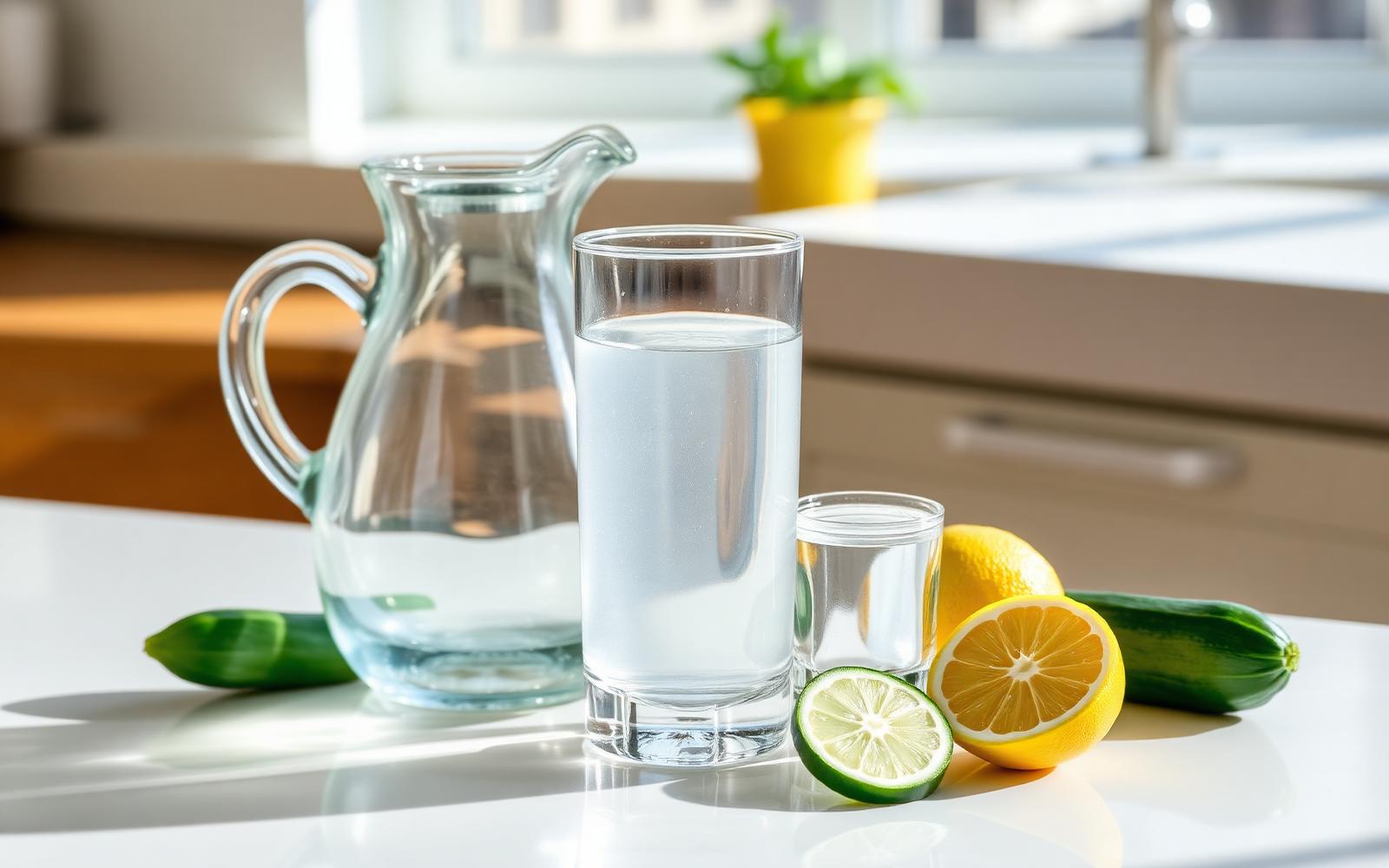
What do health experts actually recommend?
According to general guidelines from health organizations, a more accurate daily target looks like this:
- Women: about 11.5 cups (2.7 liters) of total fluids per day
- Men: about 15.5 cups (3.7 liters) of total fluids per day
Keep in mind that this includes water from all sources, not just the glass in your hand. Food provides roughly 20 percent of your daily fluid intake, especially if you eat plenty of fruits and vegetables.
Factors that increase your water needs
Certain situations mean you need more than the average recommendation:
- Exercise: if you are sweating during a workout, you are losing fluids quickly. Add roughly 12 to 16 ounces of water for every 30 minutes of activity.
- Hot or humid weather: heat makes you sweat more even when you are not moving much, so raise your intake on hot days.
- Illness: fever, vomiting or diarrhea cause fast fluid loss. Extra fluids help your body recover and keep dehydration from worsening.
- Pregnancy and breastfeeding: fluid needs are higher to support both mother and baby.
- High altitude: faster breathing and increased urination at altitude can increase fluid loss.
Signs you are not drinking enough water
Your body is fairly good at signaling when it needs more fluid. Common signs of dehydration include:
- Dark yellow urine
- Dry mouth or lips
- Headaches
- Fatigue or low energy
- Dizziness
- Difficulty concentrating
A simple check: pale yellow urine usually means you are well hydrated, while dark yellow is a sign to drink more.
Can you drink too much water?
Yes, though it is uncommon. Drinking excessive amounts in a short period can lead to hyponatremia, where the sodium level in your blood becomes dangerously diluted. It shows up most often in endurance athletes who drink large volumes without replacing electrolytes. For most people it is not a concern as long as you drink steadily through the day rather than in large gulps at once.
Easy ways to stay hydrated through the day
- Start the morning with a glass of water before coffee or breakfast.
- Carry a reusable bottle so water is always within reach.
- Set phone reminders if you tend to forget.
- Eat water-rich foods such as cucumber, watermelon and oranges.
- Add lemon, mint or berries if plain water feels boring.

Do coffee and tea count toward hydration?
Yes. Contrary to popular belief, coffee and tea do contribute to your daily fluid intake. Caffeine has a mild diuretic effect, but it does not cancel out the hydration the drink provides. Water should still be your primary source for the best results.
The bottom line
There is no single number that fits everyone. Instead of tracking exact ounces, pay attention to your body's signals: thirst, urine color and energy levels. Around 11 to 15 cups of total fluids a day is a reasonable starting point, adjusted for your activity level, climate and overall health. Staying consistently hydrated is one of the simplest things you can do for your energy, skin, digestion and general well-being.