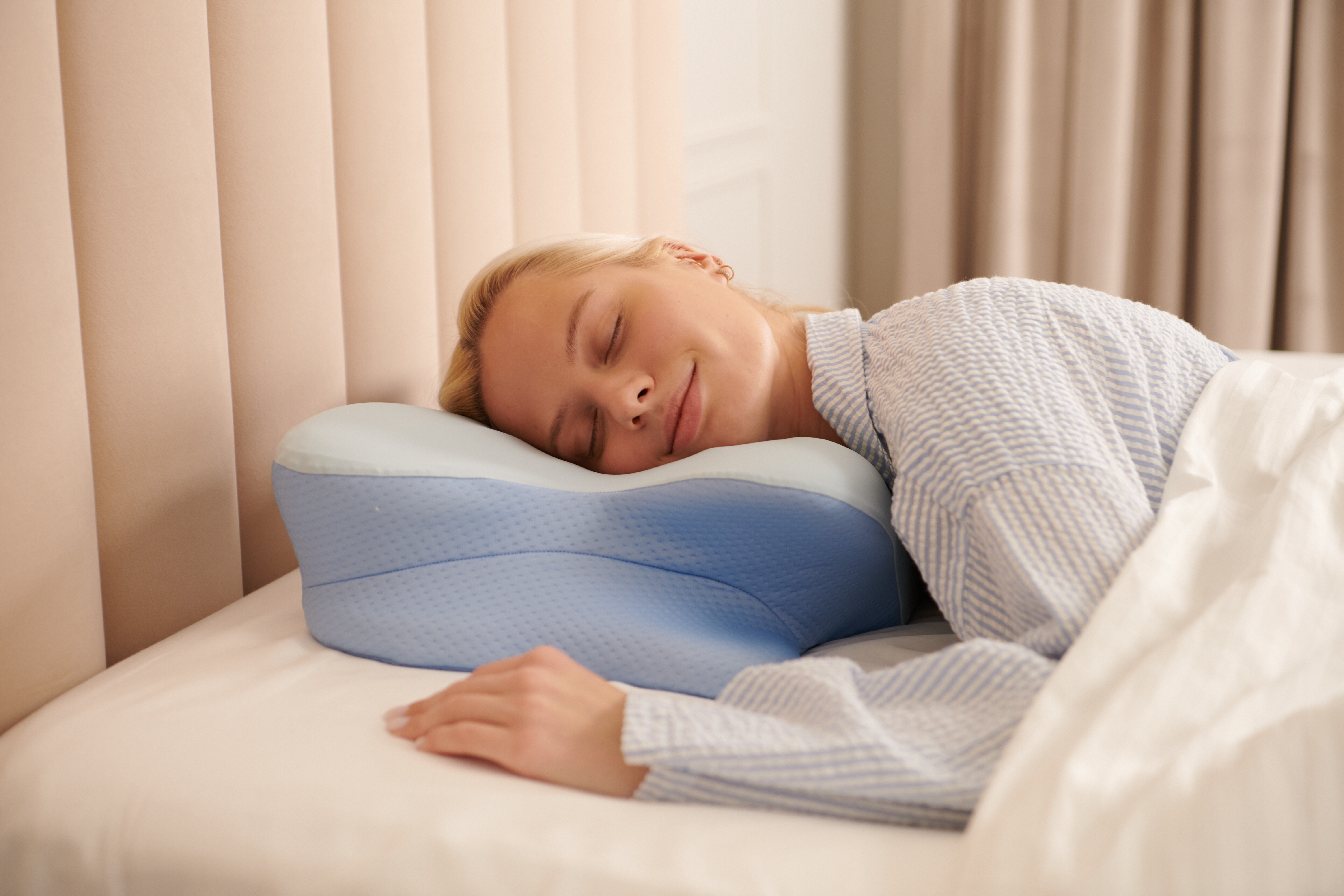
If sleep feels harder to come by than it used to, you''re not imagining it. Sleep naturally changes as you age, becoming lighter, more fragmented, and easier to disrupt. But poor sleep after 50 isn''t something you simply have to live with. With the right strategies, you can significantly improve both how fast you fall asleep and how rested you feel the next day. Here are 10 practical, proven strategies to help you sleep better after 50.
Why Sleep Changes After 50
Before diving into solutions, it helps to understand why this happens. As you age, your body produces less melatonin, the hormone responsible for regulating sleep. You also spend less time in deep, restorative sleep and more time in lighter sleep stages, making you more prone to waking up during the night. Add in factors like hormonal shifts, increased bathroom trips, and more frequent aches and pains, and it''s easy to see why quality sleep becomes harder to maintain.
The good news is that many of these changes can be managed effectively with the right habits.
1. Stick to a Consistent Sleep Schedule
Going to bed and waking up at the same time every day, even on weekends, helps regulate your body''s internal clock. This consistency makes it easier to fall asleep naturally and wake up feeling more refreshed, rather than groggy and disoriented.
2. Get Morning Sunlight Exposure
Natural light exposure, especially in the morning, helps reinforce your circadian rhythm and boosts melatonin production later in the evening. Try to spend at least 15 to 20 minutes outside shortly after waking up, even on cloudy days.

3. Limit Naps to Early Afternoon
While naps can be refreshing, long or late-day naps can interfere with nighttime sleep. If you need to nap, keep it under 30 minutes and try to do it before 3 p.m. to avoid affecting your ability to fall asleep later.
4. Watch Your Evening Fluid Intake
Frequent nighttime bathroom trips, called nocturia, become more common with age and can seriously disrupt sleep continuity. Try reducing fluid intake in the two to three hours before bed, while still staying properly hydrated earlier in the day.
5. Create a Cool, Dark Sleep Environment
Your bedroom environment plays a bigger role in sleep quality than most people realize. Keep your room between 60 and 67 degrees Fahrenheit, use blackout curtains, and minimize noise where possible. For women experiencing night sweats related to menopause, a cooler room can be especially helpful.
6. Be Mindful of Caffeine and Alcohol
As you age, your body processes caffeine and alcohol more slowly, meaning their effects linger longer than they used to. Try to avoid caffeine after early afternoon, and limit alcohol, especially close to bedtime, since it disrupts sleep quality later in the night even if it initially makes you feel drowsy.
7. Stay Physically Active During the Day
Regular exercise, particularly earlier in the day, has been shown to improve both sleep quality and how quickly you fall asleep. Even a daily 30-minute walk can make a noticeable difference. Just try to avoid vigorous exercise too close to bedtime, as it can be energizing rather than relaxing.
8. Address Pain or Discomfort Before Bed
Joint pain, stiffness, or discomfort become more common with age and can make it harder to fall or stay asleep. Gentle stretching, a warm bath, or discussing pain management options with your doctor can help minimize discomfort that disrupts your sleep.
9. Build a Wind-Down Routine
Giving your body and mind time to transition into sleep mode matters more as you age. Spend the last 30 to 60 minutes before bed doing calming activities, reading, light stretching, or listening to soothing music, while avoiding screens, which can suppress melatonin production.
10. Talk to Your Doctor About Sleep-Disrupting Conditions
Conditions like sleep apnea, restless leg syndrome, and hormonal changes become more common with age and can significantly affect sleep quality. If you consistently struggle with sleep despite good habits, it''s worth discussing these possibilities with your doctor rather than assuming poor sleep is simply unavoidable.
Common Sleep Myths After 50
Myth: You need less sleep as you age.
This isn''t quite accurate. Older adults still generally need 7 to 8 hours of sleep, they just often get lower-quality sleep, which can make it seem like their sleep needs have decreased.
Myth: Waking up during the night is always a problem.
Brief awakenings are a normal part of the sleep cycle at any age. The concern arises when you struggle to fall back asleep or when waking becomes frequent and disruptive.
Myth: Sleep medication is the only solution.
While sometimes necessary short-term, most sleep issues after 50 improve significantly with consistent lifestyle and environment changes, without needing medication.
How Long Does It Take to See Improvement?
Many people notice improvements in sleep quality within one to two weeks of consistently applying these strategies. However, deeper issues, like correcting a disrupted circadian rhythm or managing chronic pain, may take four to six weeks of consistent effort to show their full benefit.
When Poor Sleep Signals Something More
While some sleep changes are a normal part of aging, certain signs suggest it''s time to seek medical advice:
- Loud snoring or gasping for air during sleep
- Excessive daytime sleepiness despite adequate time in bed
- Sleep that hasn''t improved despite consistent healthy habits
- Persistent difficulty falling or staying asleep for several weeks
These symptoms could point to underlying conditions like sleep apnea or other treatable disorders that deserve proper evaluation.
The Bottom Line
Sleep changes after 50 are normal, but poor sleep doesn''t have to be your new normal. By addressing your sleep schedule, environment, daytime habits, and any underlying health factors, you can significantly improve both how well you sleep and how you feel during the day. Better sleep after 50 isn''t about finding one magic fix, it''s about consistently applying small, practical strategies that work together to support your body''s changing needs.