
Turning 50 often feels like a turning point, not because your body suddenly falls apart, but because the small choices you make from here on out matter more than ever. The habits you build in this decade can determine how you feel and function in your 60s, 70s, and beyond. The good news is that it's never too late to start. Here are 12 habits worth adopting now to stay strong, sharp, and healthy for years to come.
1. Prioritize Strength Training
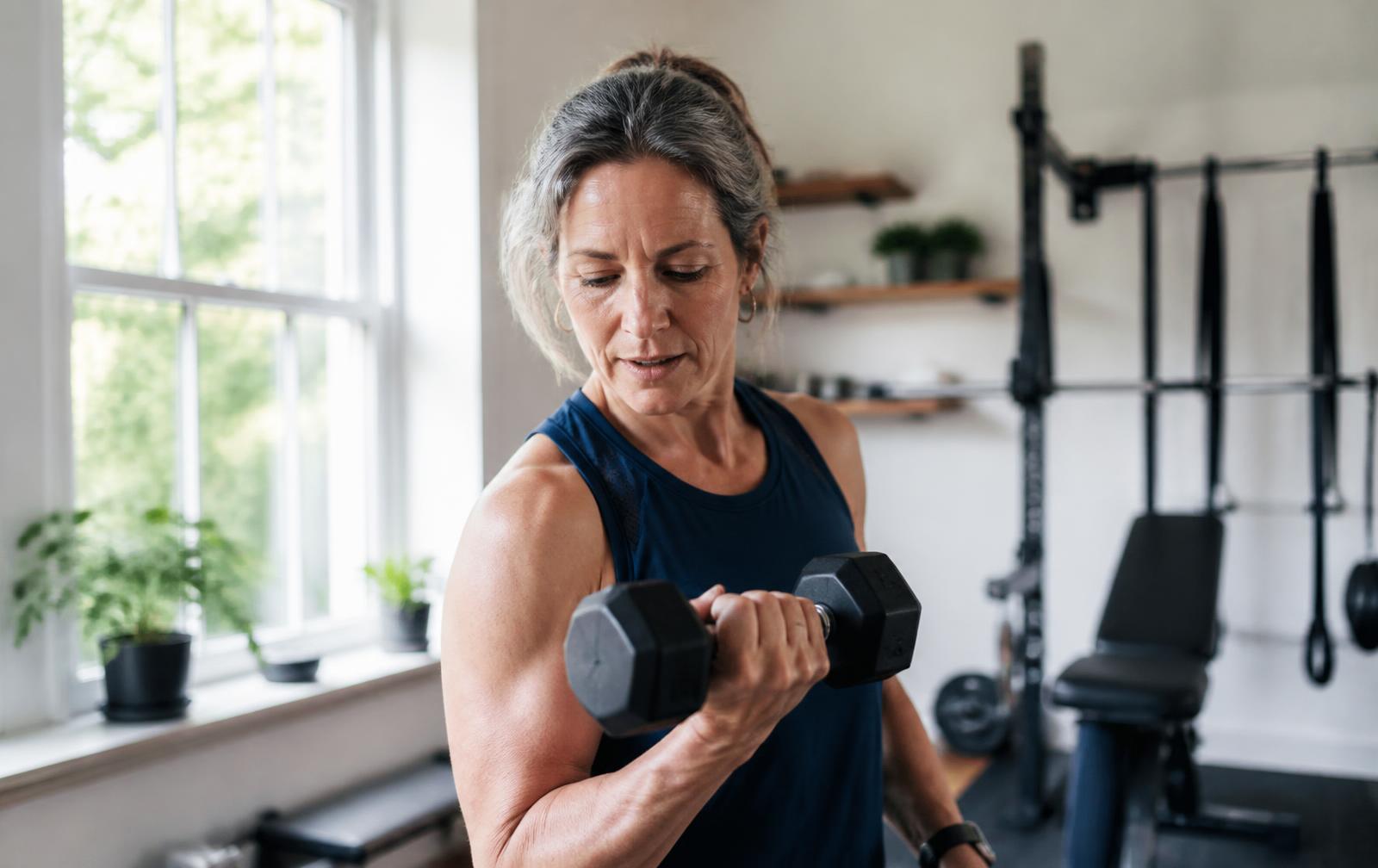
After 50, muscle loss speeds up significantly if you're not actively working against it. Strength training, whether with weights, resistance bands, or bodyweight exercises, helps preserve muscle mass, protect your joints, and maintain independence as you age. Aim for at least two sessions a week targeting major muscle groups.
2. Get Regular Health Screenings
Many health conditions, from high blood pressure to certain cancers, develop silently with no obvious symptoms in their early stages. Regular screenings like blood pressure checks, cholesterol panels, colonoscopies, and mammograms allow for early detection when treatment is most effective. Don't wait for symptoms to show up before seeing your doctor.
3. Eat Enough Protein
Protein needs increase after 50, not decrease. Aim for a source of protein at every meal to support muscle maintenance, immune function, and overall recovery. Eggs, fish, poultry, beans, and Greek yogurt are all excellent choices.
4. Focus on Bone Health
Bone density naturally declines with age, increasing the risk of fractures and osteoporosis. Weight-bearing exercises, along with adequate calcium and vitamin D intake, help slow this decline. If you haven't had a bone density scan yet, it's worth discussing with your doctor, especially for women post-menopause.
5. Keep Moving Throughout the Day
Beyond structured exercise, staying generally active matters just as much. Sitting for long stretches, even if you exercise daily, is linked to increased health risks. Take short walking breaks, do household chores, or garden regularly to keep your body moving throughout the day.
6. Prioritize Sleep Quality
Sleep patterns often shift after 50, with many people experiencing lighter, more fragmented sleep. Poor sleep affects everything from memory to immune function to mood. Stick to a consistent sleep schedule, limit caffeine in the afternoon, and create a calming bedtime routine to protect your sleep quality.
7. Stay Socially Connected
Loneliness and social isolation become more common with age, especially after retirement or when children move out. Strong social connections are linked to better mental health, lower dementia risk, and even longer life expectancy. Make an effort to maintain friendships, join community groups, or schedule regular time with family.

8. Challenge Your Brain Regularly
Just like muscles, your brain benefits from regular use. Reading, learning a new skill, playing strategy games, or even taking up a new hobby can help maintain cognitive function and may reduce the risk of age-related cognitive decline. Variety matters more than difficulty, mixing up mental activities keeps your brain adaptable.
9. Manage Stress Proactively
Chronic stress becomes more damaging with age, contributing to inflammation, high blood pressure, and weakened immunity. Building stress management into your daily routine, through meditation, deep breathing, journaling, or time outdoors, helps protect both your physical and mental health long-term.
10. Watch Your Heart Health Closely
Cardiovascular disease risk increases significantly after 50. Beyond regular checkups, focus on heart-healthy habits like eating more fiber, reducing sodium, staying active, and managing cholesterol levels. Small, consistent efforts here can meaningfully reduce your risk over time.
11. Stay Hydrated
Thirst signals naturally weaken with age, meaning many older adults are mildly dehydrated without realizing it. This can affect energy, digestion, kidney function, and even cognitive clarity. Make drinking water a conscious habit rather than relying solely on feeling thirsty.
12. Maintain a Sense of Purpose
This one is often overlooked, but research consistently links having a sense of purpose, whether through work, hobbies, family, or community involvement, to better health outcomes and longer life expectancy. Staying engaged with something meaningful gives structure to your days and supports emotional well-being.
Why Starting Now Makes a Difference
Some people assume health habits only matter if you start them young, but that's simply not true. Research shows that adopting healthier habits at any age, including well into your 50s, 60s, and beyond, leads to measurable improvements in longevity and quality of life. Muscle can still be built, cardiovascular fitness can still improve, and cognitive decline can often be slowed, regardless of when you begin.
The key difference after 50 is that consistency matters more than intensity. You don't need to train like an athlete or follow a perfect diet. What matters most is showing up regularly, walking most days, eating balanced meals, sleeping well, and managing stress, rather than occasional extreme efforts followed by long periods of inactivity.
Common Mistakes to Avoid After 50
Ignoring gradual changes
Small symptoms like stiffness, fatigue, or minor memory lapses are often dismissed as "just aging." While some change is normal, ignoring persistent symptoms can delay important diagnoses.
Doing too much too fast
If you're returning to exercise after years of inactivity, jumping into intense workouts increases injury risk. Build up gradually instead.
Neglecting mental health
Physical health often takes priority, but anxiety, depression, and loneliness are common in this life stage and deserve equal attention.
Skipping preventive care
Many people avoid doctor visits unless something feels wrong. Preventive screenings catch problems early, when they're most treatable.
Building a Sustainable Routine
Trying to implement all 12 habits at once can feel overwhelming. Instead, pick two or three that feel most relevant to your current lifestyle and focus on building those consistently before adding more. For example, you might start with strength training and better hydration, then gradually incorporate stress management and social connection over the following months.
Small, sustainable changes compound over time. A year from now, consistently applying even half of these habits could lead to noticeably better energy, strength, and overall well-being compared to where you are today.
Turning 50 isn't a decline, it's an opportunity to reset and prioritize the habits that truly support long-term health. From strength training and proper nutrition to social connection and stress management, these 12 habits address both the physical and mental sides of aging well. The best time to start building these habits isn't someday, it's now. Your future self will thank you for the effort you put in today.