
If you've noticed it's harder to open jars, climb stairs, or carry groceries than it used to be, you're not imagining things. Starting around age 50, most people begin losing muscle mass at a noticeably faster rate. This process, called sarcopenia, is a normal part of aging, but it's not something you have to accept passively. Understanding why it happens, and what you can actually do about it, can make a real difference in how strong and independent you stay for decades to come.
What Exactly Is Sarcopenia?
Sarcopenia is the medical term for age-related muscle loss. It's a gradual process that often begins as early as your 30s but accelerates significantly after 50. Research suggests adults can lose 3% to 8% of their muscle mass per decade starting in their 30s, with that rate increasing even further after age 60.
This isn't just about looking less toned. Muscle plays a critical role in metabolism, balance, mobility, and even blood sugar regulation. Losing muscle mass increases the risk of falls, fractures, frailty, and a loss of independence later in life.
Why Does Muscle Loss Happen After 50?
Hormonal Changes
As you age, levels of key hormones like testosterone, growth hormone, and estrogen decline. These hormones play a direct role in muscle protein synthesis, the process your body uses to build and repair muscle tissue. Lower hormone levels mean your body simply builds muscle less efficiently than it once did.
Anabolic Resistance
Even when older adults eat the same amount of protein as younger adults, their muscles respond less effectively to it. This phenomenon, called anabolic resistance, means your body needs more protein and more targeted stimulus, like resistance training, to trigger the same muscle-building response.
Decreased Physical Activity
Many people naturally become less active as they age, whether due to busier schedules earlier in life, joint discomfort, or simply falling out of exercise habits. Without regular strength-stimulating activity, muscles have no reason to maintain themselves and begin to shrink.
Chronic Inflammation
Low-grade, chronic inflammation tends to increase with age, a phenomenon sometimes called "inflammaging." This ongoing inflammatory state can interfere with muscle repair and contribute to faster muscle breakdown over time.
Nerve Changes
The nerves that control muscle fibers also decline with age, particularly the fast-twitch fibers responsible for strength and power. This is part of why older adults often notice a bigger drop in strength and power than in muscle size alone.
Why Muscle Loss Matters More Than You Think
Muscle isn't just about appearance or athletic performance. It directly impacts:
- Metabolism: Muscle tissue burns more calories at rest than fat tissue, meaning less muscle often leads to a slower metabolism and easier weight gain.
- Blood sugar control: Muscles are one of the primary places your body stores and uses glucose. Less muscle mass can contribute to poorer blood sugar regulation and higher diabetes risk.
- Balance and fall prevention: Weaker muscles, especially in the legs and core, significantly increase the risk of falls, one of the leading causes of injury and loss of independence in older adults.
- Bone health: Muscle and bone health are closely linked. Strength training that builds muscle also places healthy stress on bones, helping maintain bone density.
- Immune function: Muscle tissue plays a role in supporting immune response, particularly during illness or recovery from injury.
Signs You May Be Losing Muscle
Muscle loss can be subtle at first. Common signs include:
- Noticeably weaker grip strength
- Difficulty standing up from a low chair without using your hands
- Reduced stamina during everyday activities
- Clothes fitting differently around the arms or legs, even without major weight change
- Increased fatigue after physical tasks that used to feel easy
- A general feeling of being "less steady" on your feet
If several of these feel familiar, it's worth taking proactive steps rather than assuming it's simply an inevitable part of aging.
How to Fight Muscle Loss: What Actually Works
1. Prioritize resistance training
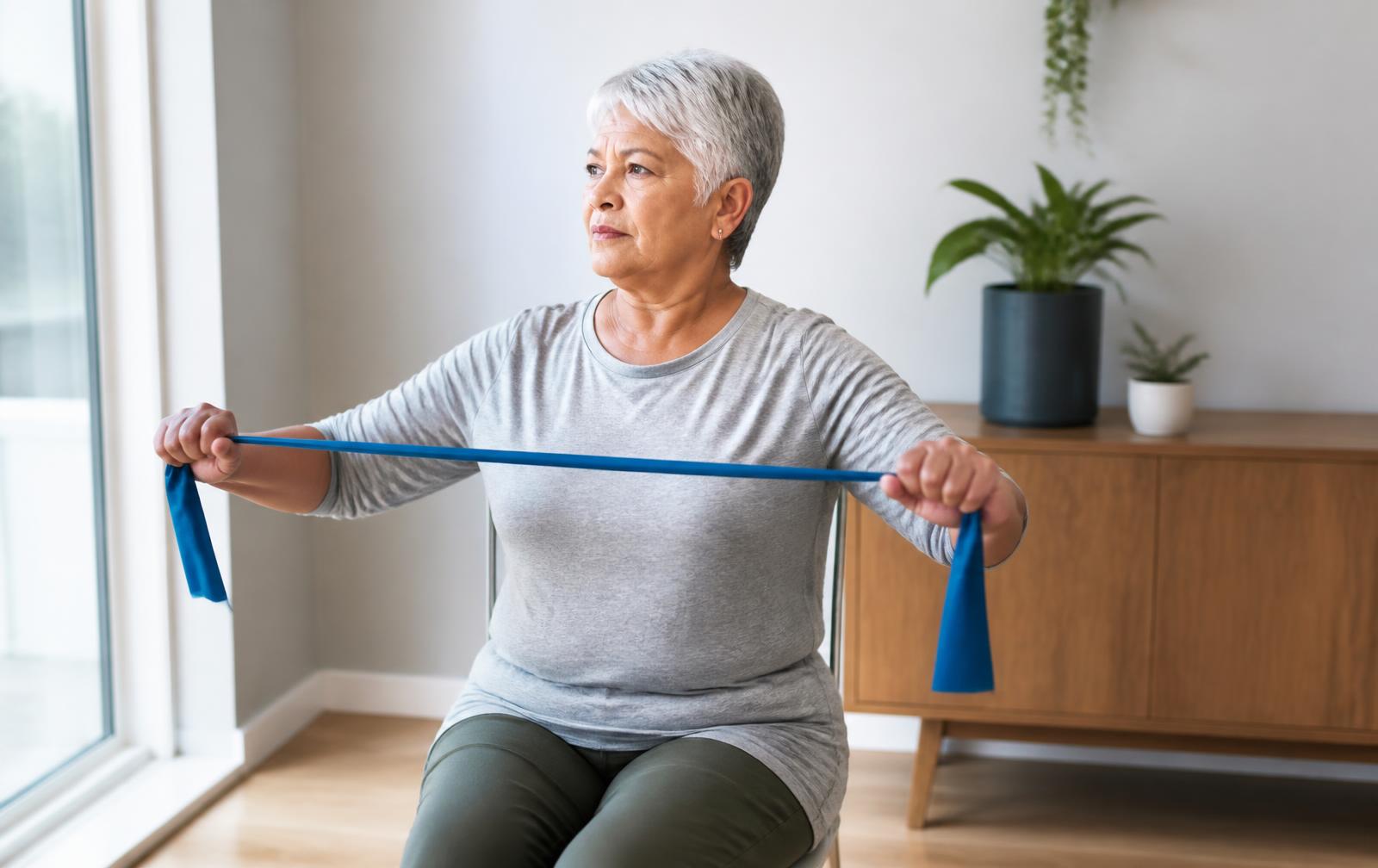
This is, by far, the most effective tool against sarcopenia. Lifting weights, using resistance bands, or even bodyweight exercises like squats and push-ups signal your muscles to rebuild and strengthen. Aim for at least two to three sessions per week, targeting all major muscle groups.
2. Increase your protein intake
Adults over 50 need more protein than younger adults, generally between 0.5 to 0.7 grams per pound of body weight daily. Spreading protein intake evenly across meals, rather than concentrating it at dinner, helps your body use it more efficiently for muscle repair.

3. Don't skip cardio entirely
While resistance training is essential, cardiovascular exercise supports blood flow to muscles and helps maintain overall functional fitness. Walking, swimming, or cycling a few times a week complements strength training well.
4. Get enough sleep
Muscle repair largely happens during deep sleep. Poor sleep quality can blunt the muscle-building benefits of exercise and protein intake, making quality rest just as important as your workout routine.
5. Stay on top of vitamin D levels
Vitamin D plays a role in muscle function and strength. Deficiency is common, particularly in older adults, and has been linked to increased muscle weakness and fall risk. A simple blood test can determine if supplementation is needed.
6. Reduce prolonged sitting
Long periods of inactivity accelerate muscle loss, even in people who exercise regularly. Standing up, stretching, or walking briefly every hour helps counteract the effects of a sedentary lifestyle.
7. Consider working with a professional
If you're new to strength training or dealing with existing joint issues, working with a physical therapist or certified trainer can help you build a safe, effective routine tailored to your body's current needs.
Can Muscle Loss Be Reversed?
Yes, to a significant degree. While some age-related decline is natural, studies consistently show that older adults, even those in their 70s and 80s, can build meaningful muscle and strength through consistent resistance training and adequate protein intake. It's never too late to start, and the benefits extend far beyond appearance, impacting balance, independence, and overall quality of life.
A Realistic Approach to Getting Started
If you're new to strength training, start small. Bodyweight exercises like sit-to-stand movements, wall push-ups, or light resistance band work are excellent starting points. Focus on proper form over heavy weight, and gradually increase intensity as your strength and confidence improve.
Consistency matters far more than intensity here. Two structured strength sessions a week, done consistently for months, will produce far better results than sporadic, intense workouts followed by long breaks.
Losing muscle after 50 is common, but it isn't something you have to accept without a fight. Understanding the hormonal, nutritional, and lifestyle factors behind sarcopenia gives you the power to slow it down, and in many cases, reverse it. Prioritizing resistance training, adequate protein, quality sleep, and consistent movement can help you stay strong, mobile, and independent well into your later decades. Your muscles respond to effort at any age, it's never too late to start building strength.