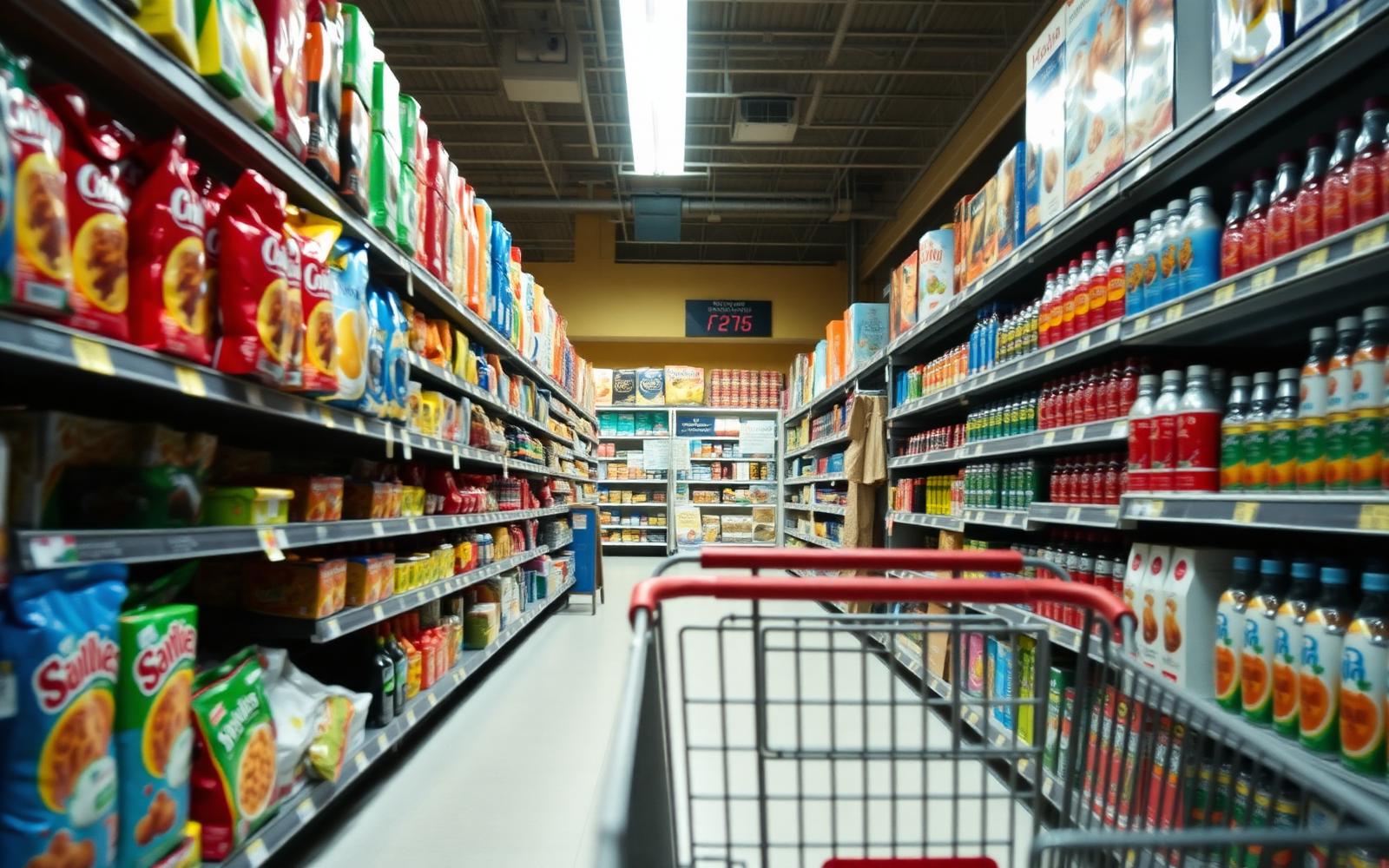
Walk down any grocery store aisle and you''ll notice something: most of what''s on the shelves comes in a box, bag, or wrapper. Chips, cereal, frozen dinners, sodas, packaged cookies. These foods dominate the modern diet, and they all fall under a category researchers call ultra-processed foods. Studies increasingly link these foods to weight gain, chronic disease, and even shorter lifespans. But what exactly makes a food ultra-processed, and more importantly, how can you eat less of it without feeling deprived? Let''s break it down.
What Are Ultra-Processed Foods, Exactly?
Not all processed foods are bad. Washing vegetables, freezing fruit, or roasting nuts are all forms of processing, and none of that is harmful. The concern lies specifically with ultra-processed foods, a term that refers to industrial formulations made mostly from substances extracted from foods, plus additives, rather than whole foods themselves.
These products typically contain ingredients you wouldn''t find in a home kitchen, things like high-fructose corn syrup, hydrogenated oils, artificial flavors, emulsifiers, and preservatives. They''re designed for convenience, long shelf life, and, often, to be as craveable as possible.
Common examples include:
- Packaged snack cakes and cookies
- Sugary breakfast cereals
- Soda and energy drinks
- Instant noodles
- Frozen ready-made meals
- Chicken nuggets and other reconstituted meat products
- Flavored yogurts loaded with sugar
- Most fast food
Why Are Ultra-Processed Foods a Problem?
They''re Engineered to Be Overeaten
Food companies invest heavily in creating what''s sometimes called the bliss point, the perfect combination of sugar, salt, and fat that makes a food almost irresistible. This engineering can override your body''s natural fullness signals, making it easy to overeat without realizing it.
They''re Low in Nutrients but High in Calories
Ultra-processed foods are often calorie-dense but nutrient-poor. This means you can eat a lot of them without getting the vitamins, minerals, and fiber your body actually needs. Over time, this contributes to nutrient deficiencies even in people who eat plenty of food.
They''re Linked to Chronic Disease
Research has connected high consumption of ultra-processed foods to increased risks of obesity, type 2 diabetes, heart disease, and even certain cancers. One widely cited study found that for every 10% increase in ultra-processed food consumption, there was a corresponding increase in overall mortality risk.
They Disrupt Gut Health
Many ultra-processed foods contain emulsifiers and additives that can negatively affect the balance of bacteria in your gut. Since gut health is tied to immune function, digestion, and even mood, this disruption can have wide-ranging effects on overall well-being.
They Promote Inflammation
Diets high in ultra-processed foods, refined sugars, and unhealthy fats are associated with increased inflammation throughout the body. Chronic inflammation is a root contributor to many long-term health conditions, from joint pain to cardiovascular disease.
How to Spot Ultra-Processed Foods
A simple trick is to look at the ingredient list. If it''s long, filled with words you don''t recognize, or includes multiple types of sugar, oils, and preservatives, it''s likely ultra-processed. Whole foods, on the other hand, usually have short ingredient lists or none at all, think a bag of apples or a piece of chicken breast.
Another helpful question to ask: could I make this in my own kitchen with regular ingredients? If the answer is no, it''s probably ultra-processed.
Practical Ways to Eat Less of Them
1. Shop the Perimeter of the Grocery Store
Most whole foods, produce, meat, dairy, eggs, are located around the outer edges of grocery stores. The center aisles tend to house the majority of packaged, ultra-processed products. Spending more time shopping the perimeter naturally reduces your exposure to these foods.
2. Cook More Meals at Home
When you cook your own food, you control exactly what goes into it. Even simple meals like grilled chicken with roasted vegetables are far less processed than most restaurant or packaged alternatives. You don''t need to be a professional cook, just aim for a few home-cooked meals each week to start.
3. Read Ingredient Labels
Get in the habit of flipping packages over before buying them. Look for recognizable ingredients and avoid products with long lists of chemical-sounding additives. This simple habit can dramatically change what ends up in your cart over time.
4. Swap, Don''t Eliminate
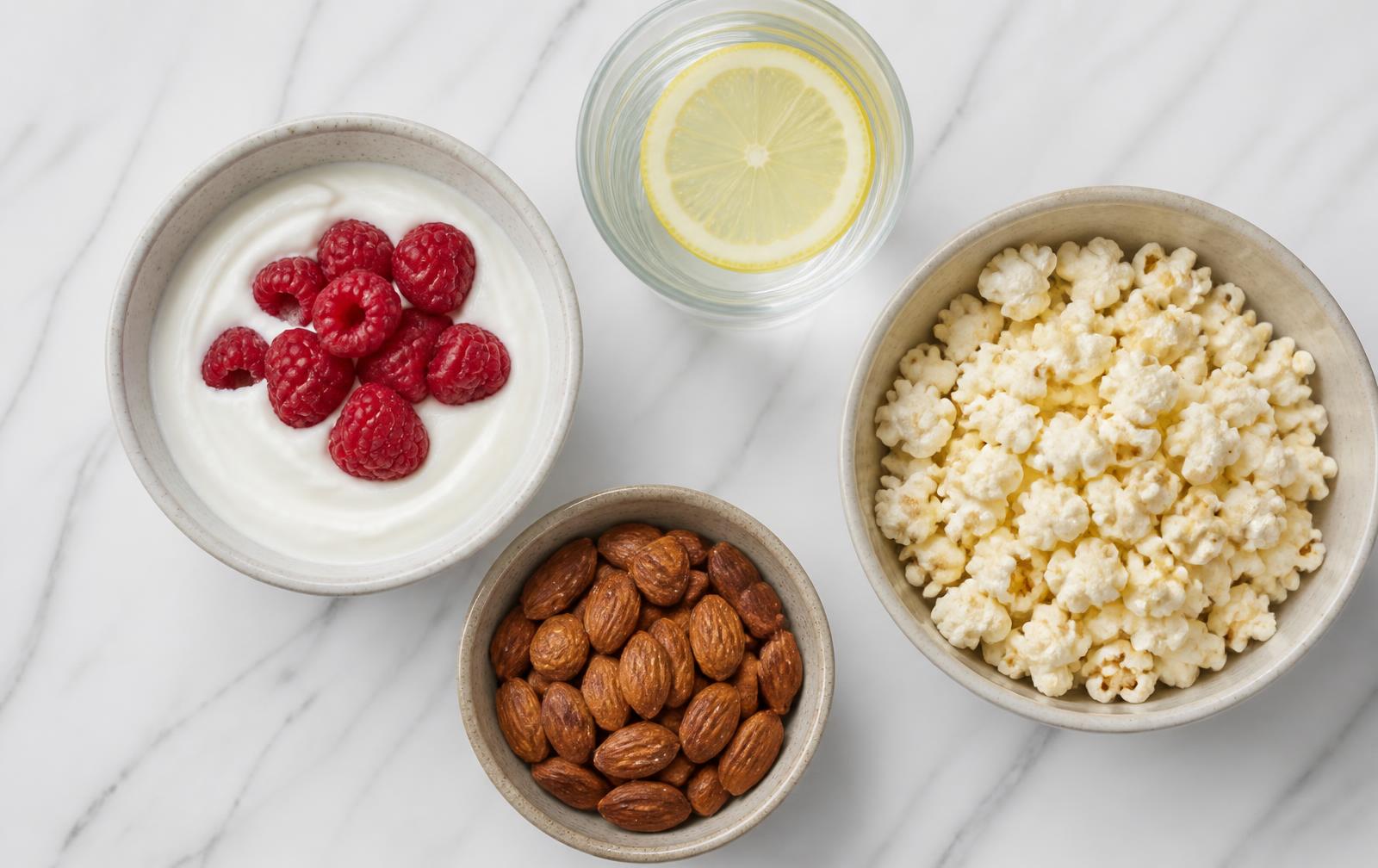
Instead of trying to cut out processed foods completely, which often backfires, focus on smart swaps. Try:
- Plain Greek yogurt with fruit instead of flavored yogurt cups
- Homemade popcorn instead of flavored chips
- Roasted nuts instead of packaged snack bars
- Sparkling water with fruit instead of soda
- Oatmeal instead of sugary cereal
5. Plan Meals Ahead of Time
A lot of ultra-processed food consumption happens out of convenience, when you''re hungry and unprepared. Having simple meals or snacks planned and ready reduces the temptation to grab something quick and packaged.
6. Focus on Adding, Not Just Restricting
Rather than fixating on foods to avoid, focus on adding more whole foods to your plate: vegetables, fruits, lean proteins, and whole grains. As these take up more space in your diet, ultra-processed foods naturally get crowded out.
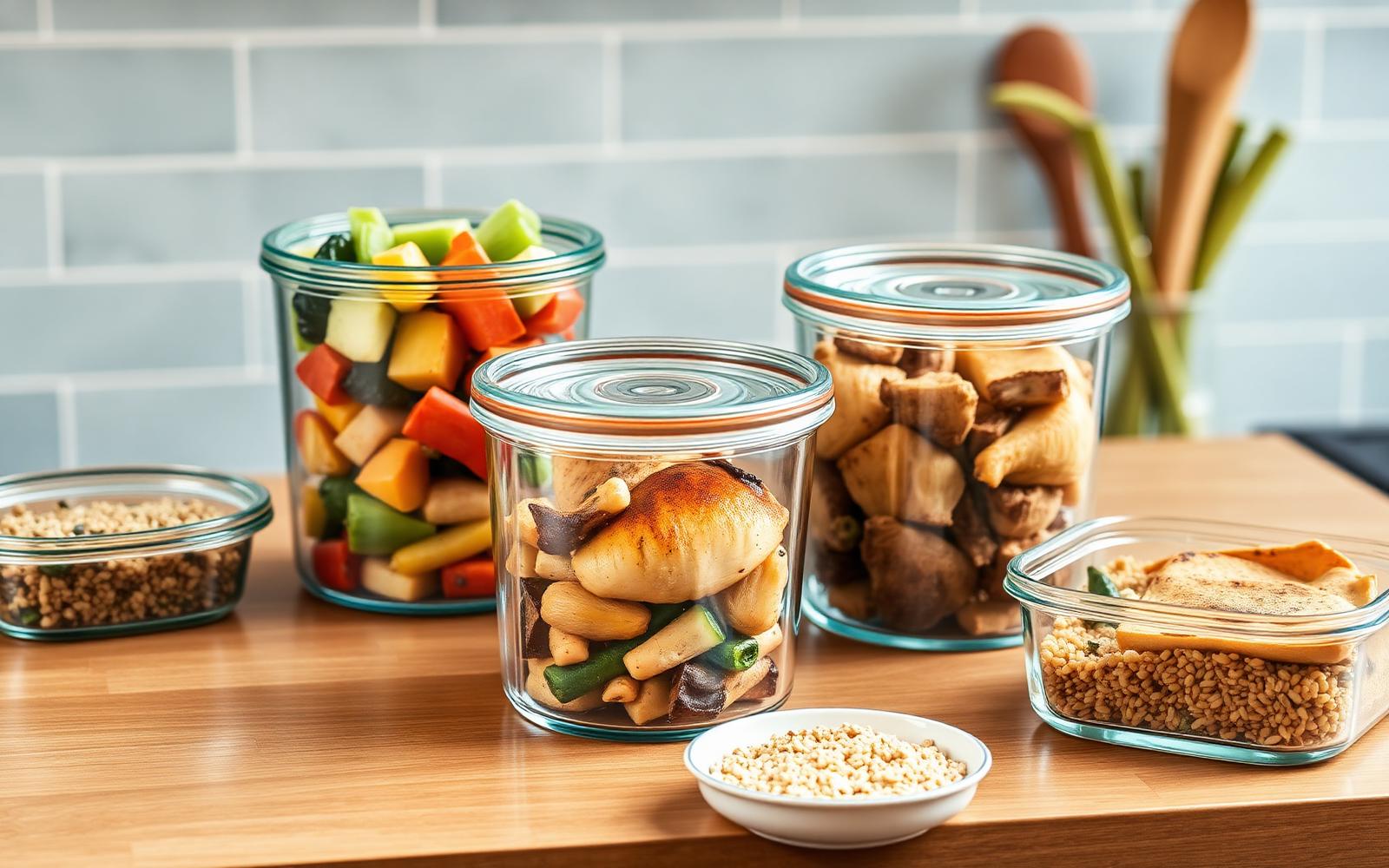
7. Batch Cook on Weekends
Preparing a few meals in advance during a free afternoon can set you up for a week of healthier eating. Having homemade options ready in the fridge or freezer makes it far less tempting to reach for a frozen dinner or takeout.
Do You Need to Avoid Them Completely?
Realistically, no. Complete avoidance isn''t necessary, or even practical, for most people. The goal isn''t perfection, it''s shifting the overall balance of your diet toward more whole, minimally processed foods. Enjoying a packaged snack occasionally isn''t going to harm your health. The real concern is when ultra-processed foods make up the majority of someone''s daily diet, which is unfortunately common in modern eating patterns.
A Simple Way to Think About It
A helpful mental framework: aim for roughly 80% of your diet to come from whole or minimally processed foods, and allow the remaining 20% for convenience or treat foods. This approach is sustainable long-term and avoids the all-or-nothing thinking that often leads to frustration and giving up altogether.
The Bottom Line
Ultra-processed foods have become the default in modern diets, but that doesn''t mean they need to dominate yours. By understanding what makes a food ultra-processed and making small, consistent swaps, cooking more at home, reading labels, and prioritizing whole foods, you can significantly reduce your intake without feeling restricted. Your body will notice the difference in energy, digestion, and overall well-being, often faster than you''d expect.