Ever caught yourself wobbling while putting on your pants standing up, or feeling a little unsteady stepping off a curb? These small moments often get brushed off, but they're actually early signs of something worth paying attention to: declining balance. Balance issues tend to creep up gradually with age, and they're one of the biggest, yet most overlooked, factors in maintaining independence as you get older. The good news is that balance isn't just something that fades with no way to fight back. It's a skill, and like any skill, it can be trained.
Why Does Balance Decline With Age?
Balance isn't controlled by a single system in your body. It relies on a complex partnership between your muscles, joints, inner ear, eyes, and brain, all working together to keep you upright. As you age, several of these systems naturally weaken, and the combined effect is what leads to poorer balance over time.
Muscle Loss (Sarcopenia)
As covered in previous topics, muscle mass declines with age, particularly in the legs and core. These muscles play a direct role in stabilizing your body during standing, walking, and sudden movements. Weaker muscles mean slower, less effective corrections when your body starts to tip off balance.
Slower Nerve Signals
The nervous system's ability to send fast signals between your brain and muscles slows down with age. This means your body takes slightly longer to react when you stumble or shift weight unexpectedly, increasing fall risk.
Vision Changes
Your eyes play a huge role in balance by helping your brain understand your position in space. Age-related vision changes, like reduced depth perception or slower adaptation to lighting changes, can make balance feel less stable, especially in dim environments.
Inner Ear Changes
The inner ear houses your vestibular system, which detects movement and head position. This system naturally deteriorates with age, which is part of why dizziness and balance issues become more common in older adults.
Joint Stiffness
Reduced flexibility and joint stiffness, often from arthritis or years of reduced activity, can limit your range of motion and reaction time, making it harder to correct your balance quickly when needed.
Medication Side Effects
Certain medications, particularly those affecting blood pressure or the nervous system, can cause dizziness or slowed reaction time as a side effect, indirectly increasing fall risk in older adults.
Why Balance Matters More Than People Realize
Poor balance isn't just an inconvenience, it's one of the leading contributors to falls, which are a major cause of injury and loss of independence in older adults. A single fall can lead to fractures, hospitalization, and in some cases, a permanent decline in mobility and confidence. Beyond the physical risk, fear of falling can cause people to become less active, which ironically accelerates further muscle loss and balance decline, creating a difficult cycle to break.
The encouraging news is that balance training has been shown to significantly reduce fall risk, in some studies by as much as 25% to 40%, when practiced consistently.
7 Ways to Improve Your Balance
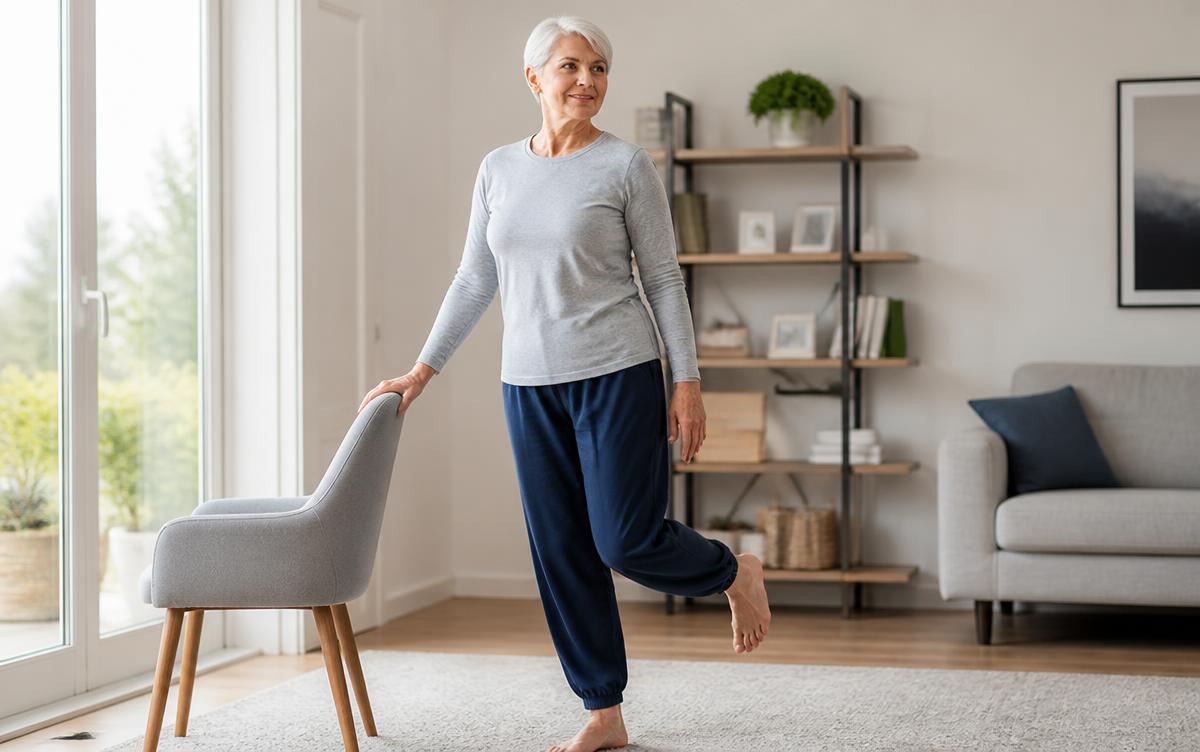
1. Practice Single-Leg Standing
This simple exercise trains your stabilizing muscles and improves coordination between your brain and body. Start by holding onto a chair or counter, then lift one foot slightly off the ground and hold for 10 to 30 seconds. As you improve, try doing it without support, and eventually with your eyes closed for an added challenge.
2. Try Heel-to-Toe Walking
Walking in a straight line while placing the heel of one foot directly in front of the toes of the other mimics a real-world balance challenge. This exercise, often used in balance assessments, strengthens coordination and stability with practice. Try it near a wall for support if needed.
3. Incorporate Strength Training for Your Legs and Core
Since weak muscles are a major contributor to poor balance, building strength in your legs, hips, and core directly supports better stability. Exercises like squats, lunges, and planks are excellent choices. Even two sessions a week can lead to noticeable improvements over time.
4. Try Tai Chi or Yoga
Both tai chi and yoga combine slow, controlled movements with balance and body awareness training. Numerous studies have shown that tai chi, in particular, significantly reduces fall risk in older adults by improving both physical balance and confidence in movement.

5. Walk on Different Surfaces
Practicing walking on grass, sand, or slightly uneven surfaces (safely and with caution) challenges your balance system in ways that flat, predictable surfaces don't. This helps train your body to adapt quickly to real-world walking conditions.
6. Get Your Vision Checked Regularly
Since vision plays such a critical role in balance, regular eye exams help catch changes early. Updated prescriptions, cataract treatment, or addressing other vision issues can have a surprisingly large impact on overall stability.
7. Review Medications With Your Doctor
If you're experiencing dizziness or balance issues, it's worth discussing your current medications with your doctor. Sometimes adjusting dosages or switching medications can significantly reduce balance-related side effects.
Simple Daily Habits That Support Better Balance
Beyond dedicated exercises, small daily habits can also make a difference:
- Wear supportive, well-fitting shoes rather than loose slippers or high heels
- Remove tripping hazards at home, like loose rugs or clutter in walkways
- Improve lighting in hallways and staircases, especially at night
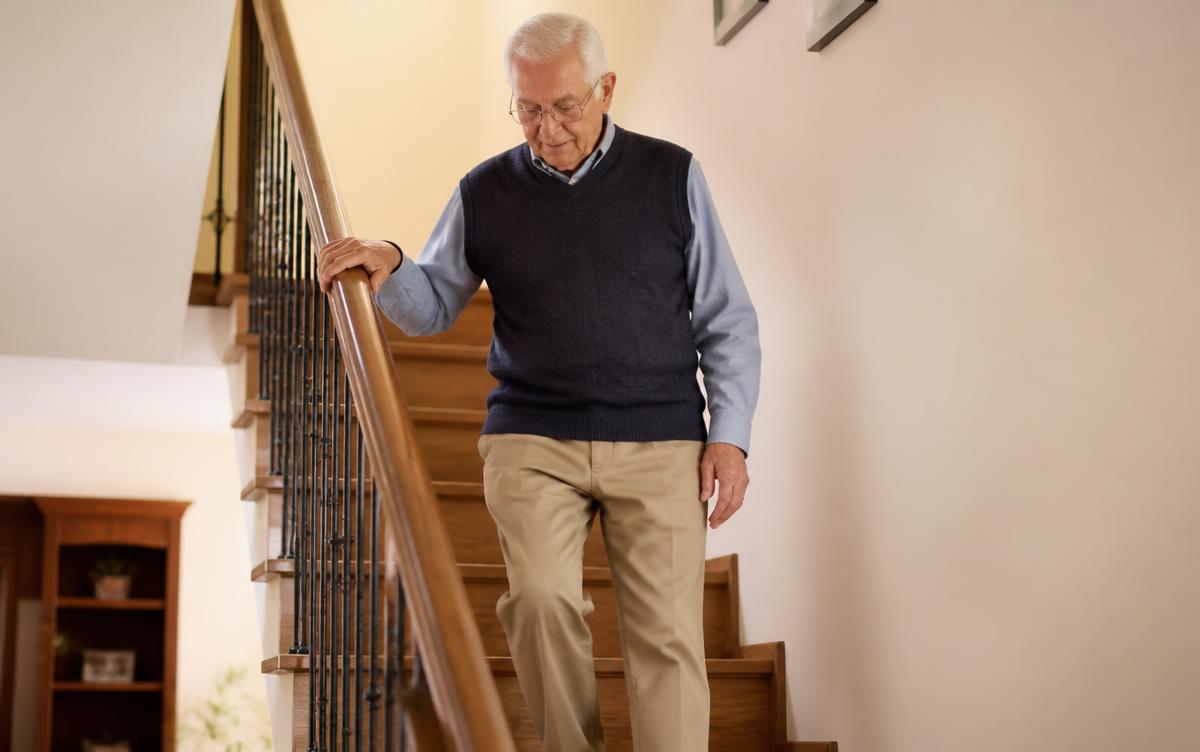
- Use handrails on stairs, even if you feel steady
- Stand up slowly from sitting or lying positions to avoid dizziness from blood pressure changes
How Often Should You Practice Balance Exercises?
For meaningful improvement, aim for balance-specific exercises at least two to three times per week, alongside your regular strength and cardio routine. Many balance exercises can be done in just five to ten minutes, making them easy to fit into an existing routine or even practice while doing other tasks, like standing on one leg while brushing your teeth.
When to Talk to a Doctor About Balance Issues
While some balance decline is a normal part of aging, certain signs warrant a conversation with your doctor:
- Frequent dizziness or a spinning sensation
- Multiple falls within a short period
- Sudden onset of balance problems
- Balance issues accompanied by numbness, weakness, or vision changes
These symptoms could indicate an underlying issue, such as an inner ear condition, medication side effect, or neurological concern, that deserves proper evaluation.
Balance Is a Skill You Can Train
Balance naturally declines with age, but it's far from a lost cause. Understanding the systems behind balance, muscles, nerves, vision, and the inner ear, helps explain why this happens and highlights exactly where you can intervene. Simple, consistent practices like single-leg standing, strength training, and tai chi can meaningfully reduce fall risk and help you stay steady, confident, and independent for years to come. Balance is a skill worth training at any age, and it's never too late to start.